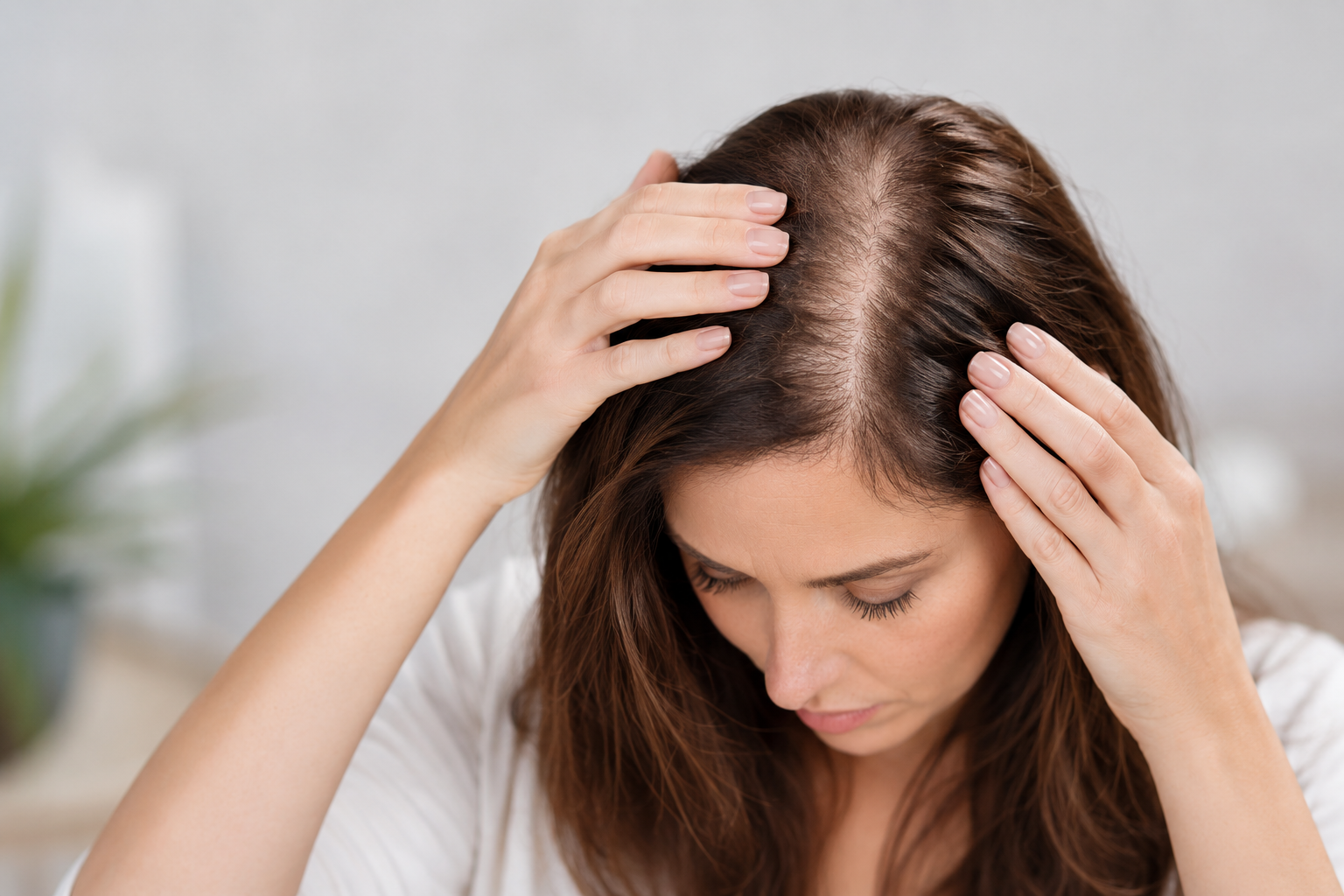
Hair Thinning and Hair Loss: Understanding the Causes and Treatment Options
Few changes affect confidence quite like noticing your hair becoming thinner. Whether it's finding more hair in the shower, seeing a widening parting, or feeling that your ponytail is no longer as thick as it once was, hair loss can be worrying at any age.
The good news is that hair thinning is often multifactorial, and understanding the underlying cause is the first step towards finding the most appropriate treatment.
What Is Hair Thinning?
Hair thinning occurs when the density of hair decreases over time. Some people experience increased shedding, while others notice that individual hairs become finer and less robust. The pattern and speed of hair loss can provide important clues about the cause.
Both men and women can be affected, although the underlying reasons may differ.
Common Causes of Hair Loss
Genetics
One of the most common causes of hair loss is genetics.
In men, genetic hair loss is known as male pattern hair loss or androgenetic alopecia. This typically presents with a receding hairline, thinning at the temples, and gradual loss of hair from the crown.
Women can also develop a genetic form of hair loss known as female pattern hair loss. Rather than developing a receding hairline, women more commonly experience widening of the central parting and a gradual reduction in overall hair density.
Genetic hair loss develops because certain hair follicles are more sensitive to hormones known as androgens. Over time, affected follicles produce progressively finer hairs, a process called follicular miniaturisation.
Hormonal Changes
Hormonal fluctuations can have a significant impact on the hair growth cycle.
Women may notice hair thinning during:
- Perimenopause
- Menopause
- After pregnancy
- Following changes in hormonal contraception
Declining oestrogen levels during menopause can contribute to reduced hair density and slower hair growth.
Nutritional Deficiencies
Healthy hair growth requires adequate nutrition.
Low levels of iron, vitamin D, vitamin B12, folate, zinc, or insufficient protein intake may contribute to increased shedding or reduced hair quality.
Thyroid Disorders
Both underactive and overactive thyroid conditions can affect hair growth and lead to diffuse thinning across the scalp.
Stress and Illness
Significant physical or emotional stress may trigger a temporary form of hair loss known as telogen effluvium.
This can occur after:
- Major illness
- Surgery
- Rapid weight loss
- Severe emotional stress
- Childbirth
Hair shedding often begins several weeks or months after the triggering event.
Why Assessment Matters
Hair loss is a symptom rather than a diagnosis. Before considering treatment, it is important to understand why the hair loss is occurring.
A thorough consultation may include discussion of:
- Medical history
- Current medications
- Family history of hair loss
- Lifestyle factors
- Recent illness or stress
- Hormonal symptoms
In some cases, blood tests may be recommended to identify treatable medical causes.
Treatment Options
Treatment should always be tailored to the individual and the cause of hair loss.
Platelet-Rich Plasma (PRP)
PRP involves taking a small sample of the patient's blood and processing it to concentrate platelets, which contain naturally occurring growth factors.
PRP has been studied as a treatment for certain types of hair loss, particularly androgenetic alopecia. While results vary between individuals, some patients may notice improvements in hair thickness, shedding, and overall hair quality following a course of treatment.
Polynucleotide Scalp Treatments
Polynucleotides are regenerative molecules that are increasingly being used in aesthetic medicine to support tissue repair and improve skin quality.
When used within the scalp, polynucleotides may help create a healthier environment around hair follicles by supporting tissue regeneration and reducing inflammation. Research in this area is ongoing, and treatment should be viewed as a supportive option rather than a guaranteed solution for hair loss.
Microneedling with Purasomes
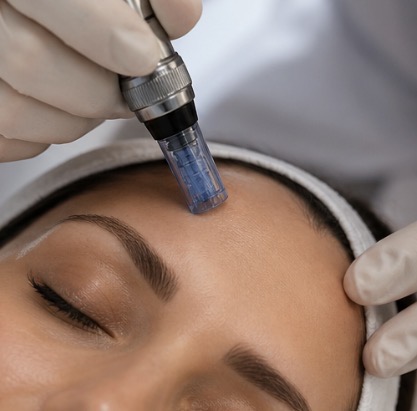
Microneedling involves the creation of controlled microchannels within the skin using fine sterile needles. This process stimulates the skin's natural repair mechanisms and may support scalp health.
At DermMED Aesthetics, microneedling can be combined with Purasomes, a regenerative topical solution designed to support tissue repair and cellular communication.
Although research into regenerative therapies continues to evolve, microneedling with adjunctive regenerative products may help improve the scalp environment and can be incorporated into a personalised hair restoration programme.
Optimising Scalp Health
Healthy hair starts with a healthy scalp. Treatment plans may also include advice on nutrition, lifestyle factors, hair care practices, and scalp health to support long-term outcomes.
When Should You Seek Advice?
You should consider professional assessment if you notice:
- A widening parting
- Progressive thinning of the crown
- Excessive shedding
- A receding hairline
- Patchy areas of hair loss
- Scalp redness, irritation, or scaling
- Hair loss associated with fatigue or other health symptoms
Early assessment can be beneficial, particularly where hair follicles are still active and capable of producing healthy hair.
How DermMED Aesthetics Can Help
At DermMED Aesthetics, we take a medically led approach to hair restoration. As a GP and aesthetic practitioner, Dr Maria Shakoor combines medical assessment with regenerative treatment options to help patients understand the possible causes of their hair loss and explore appropriate treatment pathways.
Every patient is assessed individually, and treatment recommendations are tailored to their specific concerns, goals, and medical history.
If you are concerned about hair thinning or hair loss, a consultation can help identify potential causes and discuss the treatment options that may be suitable for you.
This article is intended for educational purposes only and should not be considered a substitute for personalised medical advice. Treatment suitability and outcomes vary between individuals.